



Introduction: Your Mind is Always Predicting
Every day, your brain makes thousands of predictions without your awareness. It predicts the weather, the behavior of people around you, the taste of your lunch, and even how you will feel in certain situations. This ability is called emotional forecasting, and it plays a bigger role in your mental health than you might imagine.
Predicting your feelings does not mean controlling them. Instead, it means understanding the patterns that lead to your emotions. When you know what is coming, your mind prepares itself, softens the impact, and protects you from emotional overload.
This is the science behind why EMOTAP works. When you track your emotions, you give your brain the information it needs to make better predictions.
What Is Emotional Forecasting?
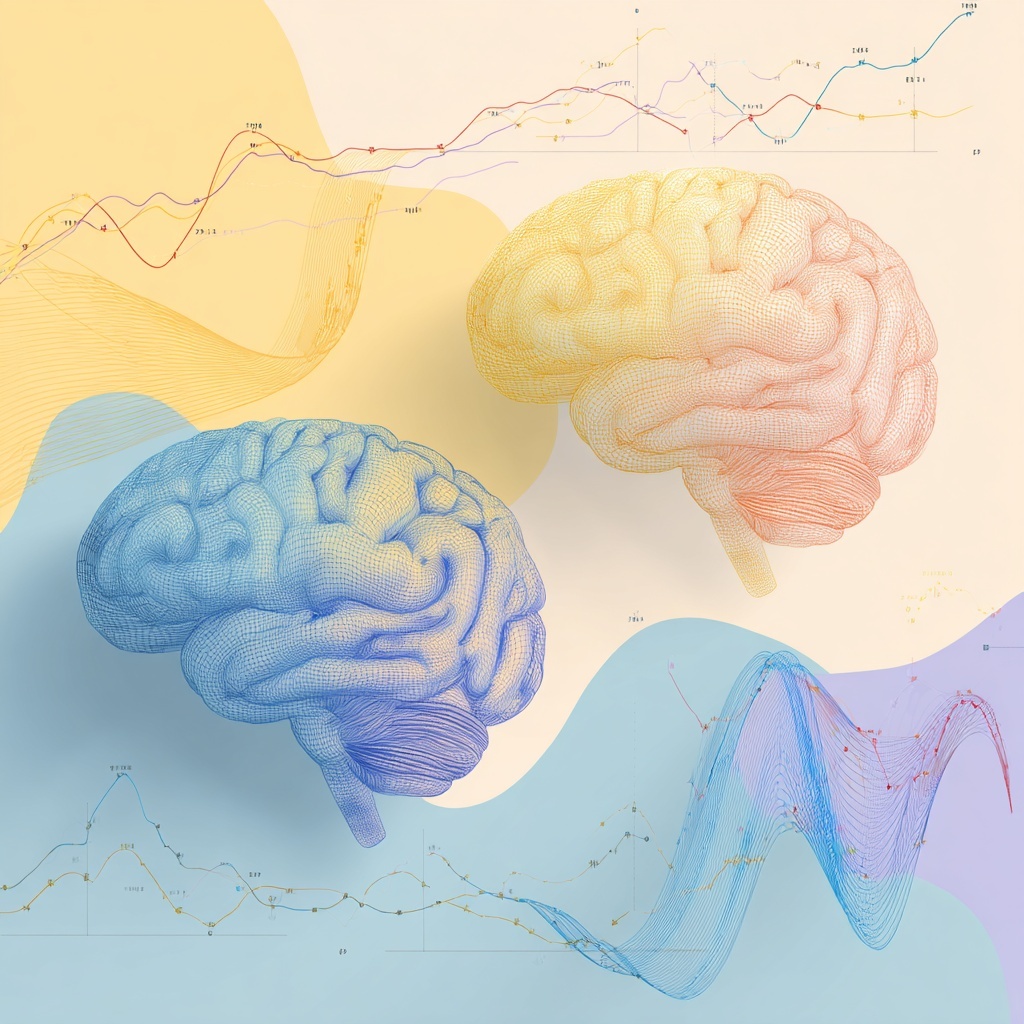
Emotional forecasting is a psychological process where the brain predicts your future emotional responses based on your past experiences, habits, and internal cycles. Research in cognitive psychology and behavioral science shows that humans naturally anticipate emotional outcomes long before events actually happen.
Your brain uses emotional memory to decide:
- When you will feel stressed
- When you will feel energized
- What might upset you
- What situations bring joy
- What patterns repeat from week to week
This is not guesswork. It is a natural, built in survival mechanism. Your brain wants to protect you.
The Science Behind Why It Works
Emotional forecasting is part of a larger concept called anticipatory processing. This is the brain’s way of preparing for future events by activating emotional and physiological systems ahead of time.
Key scientific principles involved
1. Neural Pattern Recognition
Your brain stores emotional patterns. When similar situations happen again, the brain recognizes the pattern and predicts the feeling that usually follows.
2. Cognitive Bias Reduction
People often misjudge their future emotions when they rely only on memory. Tracking emotions with an app gives accurate data, reducing bias and improving prediction accuracy.
3. Stress Buffering
Studies show that when people expect a challenge, the emotional response is less intense. Anticipated stress does not shock the system as much as unexpected stress.
4. Emotional Memory Encoding
Your brain remembers how experiences made you feel, not only what happened. This emotional memory helps you avoid danger and seek comfort.
5. Energy Management
Predicting your emotional states helps your brain allocate energy more efficiently. When you prepare for an emotional moment, your system stabilizes faster.
Together, these mechanisms explain why knowing what you might feel protects your mental health.
How Predicting Your Emotions Protects You
1. It Prevents Emotional Overload
When emotions appear suddenly, the brain reacts strongly. When the same emotions are expected, the brain remains calmer.
2. It Reduces Anxiety
Uncertainty fuels anxiety. Forecasting your emotions removes guesswork and provides clarity.
3. It Improves Decision Making
If you know you will feel low tomorrow, you avoid stressful schedules and reduce unnecessary pressure.
4. It Creates a Sense of Control
Understanding emotional patterns gives you confidence and stability.
5. It Strengthens Mental Resilience
People who know their emotional cycles recover faster from stress, because they prepare ahead of time.
Why Mood Tracking Enhances Forecasting Accuracy
Your brain can predict emotions, but it needs accurate information. This is where EMOTAP plays a key role.
When you log your feelings consistently, you are building a real emotional database. EMOTAP learns:
- When your highs occur
- When your lows repeat
- Which triggers appear often
- Which days are sensitive
- What strengthens or weakens your emotional stability
This transforms emotional forecasting from a natural instinct into a clear, trackable, supportive tool.
You are not guessing your feelings anymore. You are understanding them.

How EMOTAP Supports Emotional Prediction
EMOTAP is designed to help you track emotional patterns with just one tap. Over time, the app identifies your personal emotional rhythm and shows insights that help you prepare.
EMOTAP helps by:
- Highlighting predictable cycles
- Showing which triggers matter
- Giving awareness of vulnerable days
- Revealing your emotional strengths
- Helping you anticipate your emotional needs
This is emotional forecasting made simple, friendly, and practical. No pressure. No analysis required. Just awareness.
Practical Examples of Emotional Forecasting in Daily Life
Here are simple real life examples of how emotional prediction protects your wellbeing.
You sleep better
When you know tomorrow may be stressful, you naturally prioritize rest.
You avoid unnecessary conflict
Awareness helps you communicate more calmly during sensitive times.
You plan your tasks wisely
You choose demanding work on strong energy days and lighter work on sensitive days.
You protect your emotional space
You avoid overwhelming environments when you know you are not at your best.
You recover faster
Prepared minds recover from stress with greater ease.
Final Takeaway: Knowledge Is a Psychological Shield
Emotional forecasting is not about controlling life. It is about preparing for it. When you understand your future feelings, you give yourself emotional protection, resilience, and clarity.
EMOTAP makes this journey simple. With every tap, you teach your mind more about who you are and what you need. Predicting your emotions is one of the most powerful tools in modern mental wellness, and it is available to you right now.
Self awareness is a strength. Forecasting your emotions turns it into power.
Featured Snippet Summary
Emotional forecasting is the science of predicting future feelings based on past emotional patterns. Research shows that anticipating emotions reduces stress, improves resilience, and creates mental stability. EMOTAP enhances this process by identifying your emotional cycles and helping you prepare for sensitive moments.
